November 17, 2026
How to Choose the Right Dune Buggy for a Desert Adventure
By @buggydubaisite
Understanding Your Desert Ride
Picking a dune buggy for a desert trip is not just about grabbing the first flashy vehicle you see. The sand dunes of Dubai demand a machine that handles shifting terrain, extreme heat, and sudden changes in slope. A well-chosen buggy makes your outing safe and enjoyable. A poor choice can turn an exciting day into a stressful one. The goal is to match the buggy's design to your skill level and the type of desert landscape you plan to explore.
Step 1: Assess Your Experience Level
Your driving background matters more than you think. If you have never driven an off-road vehicle before, a basic model with automatic transmission and limited speed is a sensible start. These buggies are stable, easy to control, and let you focus on reading the dunes rather than wrestling with complex controls. Experienced drivers may prefer a more powerful machine with manual shifting and higher suspension travel. However, even seasoned drivers should respect the desert's unpredictability. Sand dunes shift with the wind, creating hidden drops and soft patches that can surprise anyone.
What to Watch For
Look for buggies with adjustable pedals and a comfortable seat. You will spend hours in that seat, and a cramped cabin makes for a miserable ride. Also check the steering wheel's position. Some models offer a steering wheel, while others use handlebars. Handlebars give a more direct feel but can be tiring on long runs. A steering wheel is easier on the arms but may feel less responsive at lower speeds. Try both if you can, and pick what feels natural.
Step 2: Consider the Buggy's Size and Power
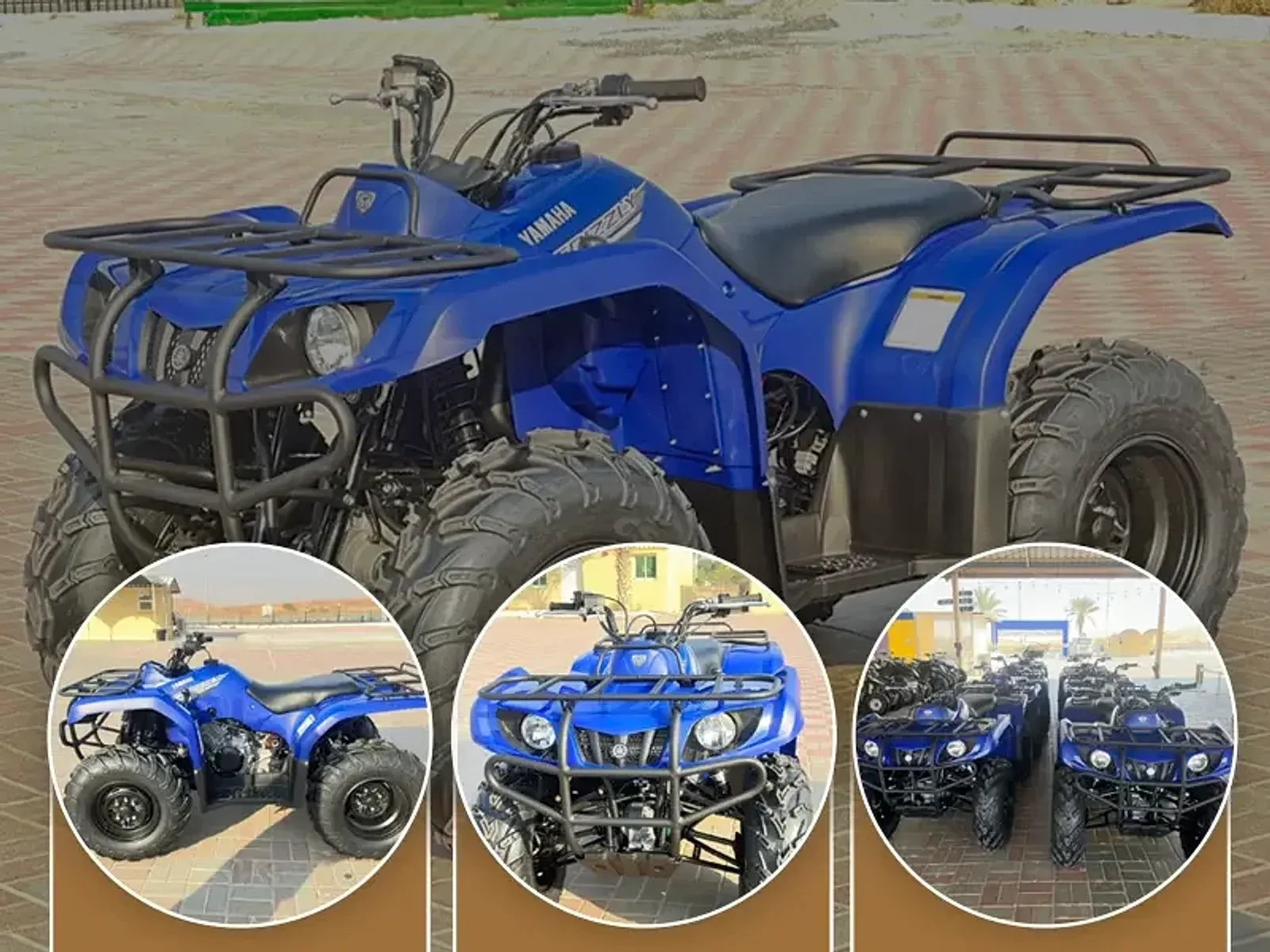
Dune buggies come in various sizes, from small single-seaters to larger models that carry two or more passengers. A larger buggy offers more stability on steep dunes but can feel sluggish on tight turns. A smaller buggy is nimble and fun but may not handle deep sand as well. The engine power is usually measured in horsepower or engine displacement. More power helps you climb steep dunes, but it also requires more skill to control. A buggy with too much power for your skill level can be dangerous, especially when descending a dune where speed can build quickly.
What to Watch For
Check the buggy's weight and wheelbase. A longer wheelbase provides better stability on straight runs but reduces maneuverability in tight spaces. Shorter wheelbase buggies turn more quickly but can feel tippy on side slopes. Also inspect the tires. Wide, low-pressure tires are designed for sand. They float on top rather than digging in. Narrow tires with high pressure will sink and cause the buggy to get stuck. The tire tread should be shallow and smooth. Deep treads are meant for mud or rock, not sand.
Step 3: Evaluate Safety Gear and Features
A dune buggy is an open vehicle, so protection from the elements is vital. A sturdy roll cage is non-negotiable. It protects you if the buggy flips. The roll cage should be made of strong metal, with no sharp edges inside. Seat belts are another must. Look for a four-point or five-point harness, not just a simple lap belt. A harness keeps you firmly in place when the buggy bounces over dunes. Also check for a fire extinguisher and a first-aid kit. These are often overlooked but can be essential in an emergency.
What to Watch For
Ask about the buggy's maintenance history. Well-maintained buggies have clean oil, tight bolts, and no visible leaks. A neglected buggy can break down mid-ride, leaving you stranded in the desert. Also check the condition of the brake lines and the steering linkages. These parts take a beating on rough terrain. If they look worn or corroded, that buggy is not ready for the dunes. For more details on what to look for, you can visit classicdesertsafari.com. Their information can help you compare different models and understand common features.
Step 4: Match the Buggy to the Terrain
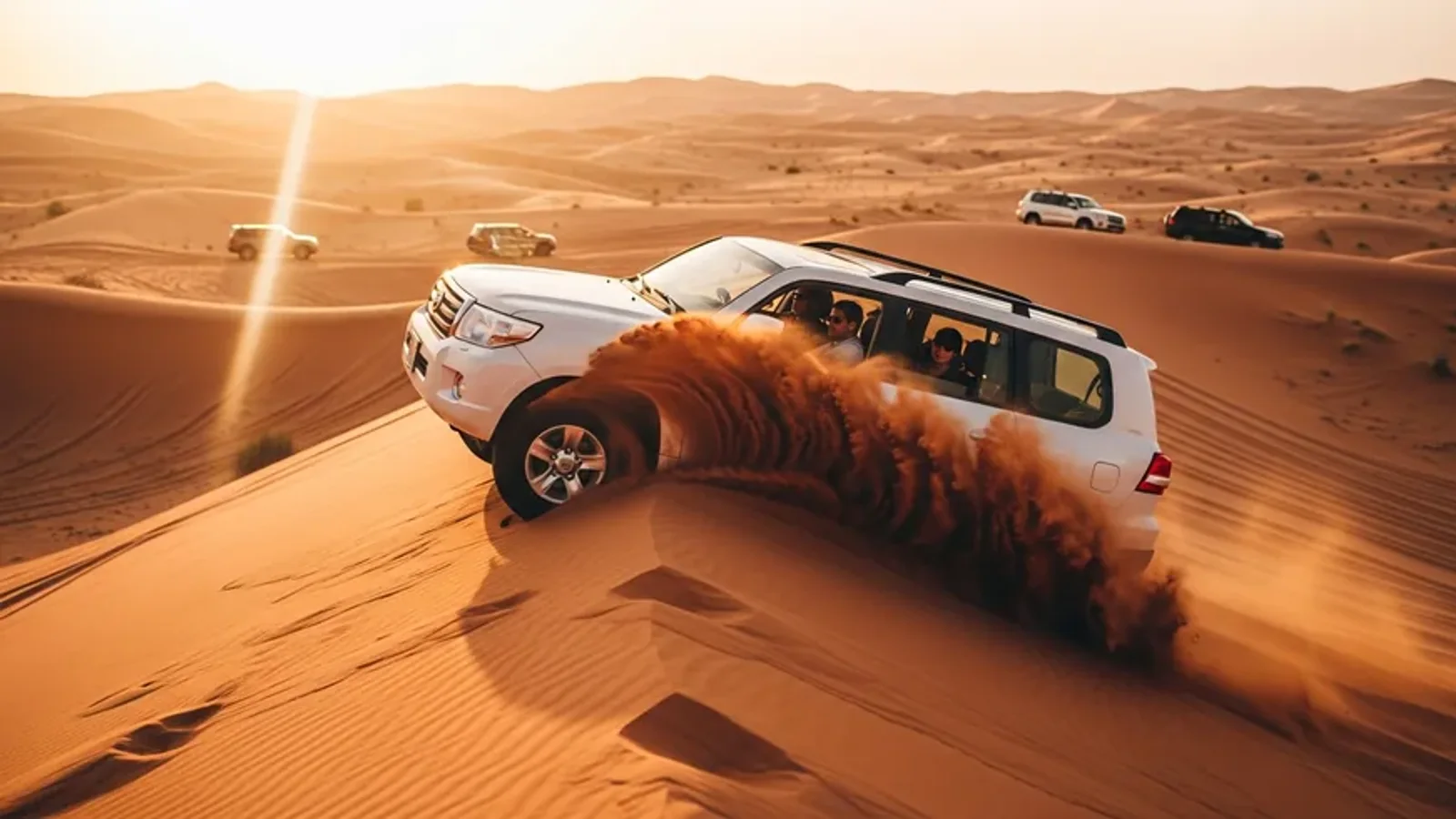
Not all desert terrain is the same. Some areas have tall, steep dunes that require a buggy with good climbing ability. Other areas have flat, hard-packed sand where speed is the main factor. If you plan to visit a specific desert area, find out what the typical terrain is like. Buggies with high suspension travel and a low center of gravity handle steep slopes better. For flat areas, a lower suspension and a more aerodynamic shape can improve speed and fuel efficiency. Also consider the sand's moisture. Damp sand near the coast is firmer than dry inland sand. A buggy that works well on dry sand may feel sluggish on wet sand.
What to Watch For
Look for a buggy with a sand flag. A sand flag is a tall, bright flag attached to the back of the buggy. It makes the vehicle visible from a distance when you crest a dune. This is a simple safety feature that can prevent collisions. Also check that the buggy has good ventilation. Desert heat can be intense, and a buggy with poor airflow will make the ride uncomfortable. Some models have mesh sides that let air through while keeping sand out. Others are fully enclosed, which can feel stuffy.
Step 5: Think About Comfort and Convenience
A long day in the desert takes a toll on your body. Comfort features like padded seats, adjustable footrests, and a sunshade make a big difference. Some buggies come with a small storage compartment for water and snacks. Staying hydrated is critical in the desert, so having a place to keep a water bottle within reach is helpful. Also consider the noise level. Some engines are louder than others. Ear protection is a good idea regardless, but a quieter buggy allows for easier conversation with passengers.
What to Watch For
Test the buggy's controls before you set out. Make sure you can reach all pedals and levers comfortably. If the seat is adjustable, set it so your knees are slightly bent when the pedals are fully pressed. This prevents leg fatigue. Also check the visibility from the driver's seat. A buggy with a high dashboard or thick roll cage bars can block your view of the dunes ahead. A clear line of sight is important for spotting hazards early.
Step 6: Review the Rental or Purchase Terms
If you are renting a buggy for a day, read the rental agreement carefully. Look for clauses about damage liability, insurance coverage, and fuel policy. Some rentals include fuel, others charge extra. Also check the cancellation policy. Desert weather can change quickly, and a sandstorm may force you to cancel. A flexible policy gives you peace of mind. If you are buying a buggy, research the brand's reputation. Look for models that are known for durability in sandy conditions. A buggy that works well on a paved road may not survive a season on the dunes.

What to Watch For
Ask about the buggy's history. If it is a used buggy, ask for maintenance records. A buggy that has been used heavily in the desert may have hidden damage. Also check the warranty. A good warranty covers the engine and drivetrain, which are the most stressed parts. For more guidance on making your choice, resources like classicdesertsafari.com can provide useful tips. Their advice can help you avoid common mistakes and pick a buggy that suits your needs.
Bringing It All Together
Choosing the right dune buggy for a Dubai desert trip is about balancing your skill, the terrain, and the vehicle's features. Start with your experience level. Move on to size and power. Then consider safety and comfort. Finally, review the terms of the rental or purchase. Each step reduces the risk of a bad experience. The desert is a beautiful but demanding environment. A well-matched buggy lets you enjoy the landscape without worry. Take your time, ask questions, and trust your instincts. The right buggy is out there, ready for your next adventure.
❧